Provincial Regulations Influencing Payment Options for Novice Mobile Poker Tournament Participants
Casey Günther · Sep 2, 2026
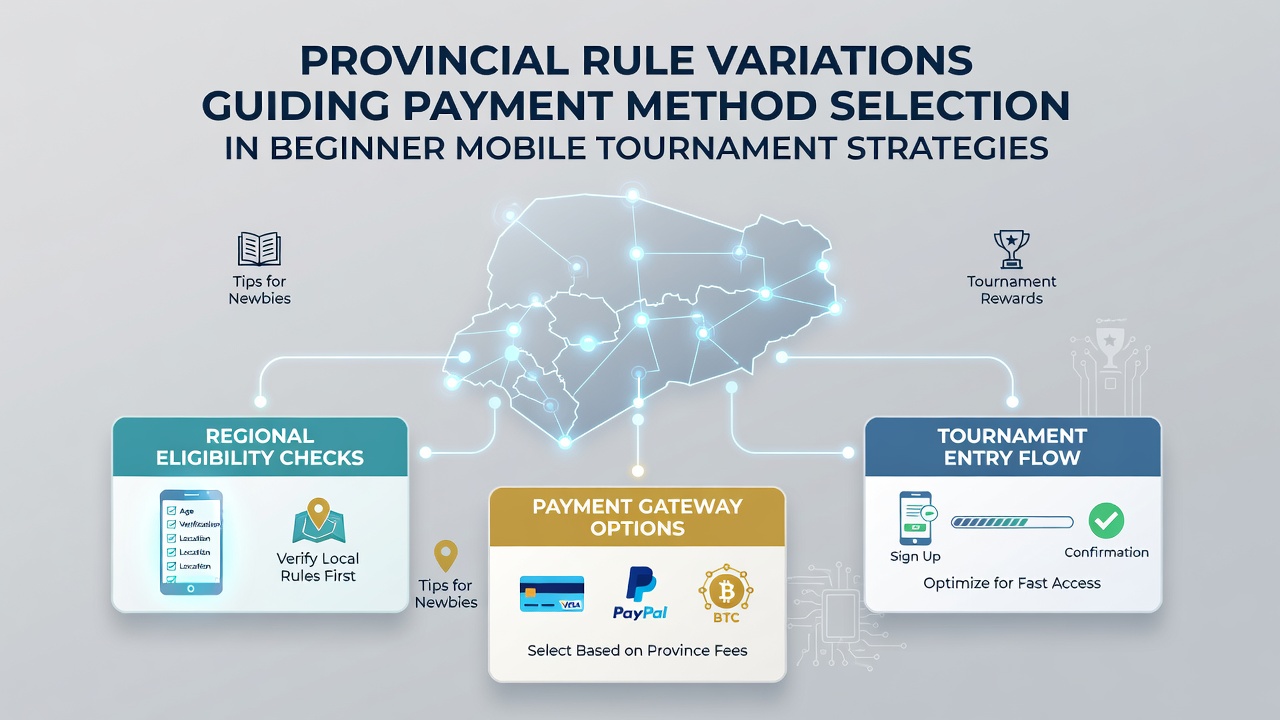
Provincial Regulations Influencing Payment Options for Novice Mobile Poker Tournament Participants
Provincial regulations shape how beginners approach payment method selection when entering mobile poker tournaments, and these rules differ sharply across Canada because each jurisdiction maintains its own licensing frameworks and financial oversight requirements. Observers note that players in Ontario encounter streamlined options through the Alcohol and Gaming Commission of Ontario framework while those in British Columbia navigate distinct banking policies administered by the British Columbia Lottery Corporation.
Understanding Regional Licensing Structures
Data from regulatory filings show that Ontario's regulated market permits direct integration with approved payment processors that support instant transfers and e-wallets, whereas Quebec relies on more traditional bank wire mechanisms that extend processing times yet maintain strict consumer protection standards. Researchers at provincial gaming authorities have documented that these differences force beginners to evaluate transaction speed against security protocols before committing funds to tournament entries.
Payment Method Availability Across Jurisdictions
Studies compiled by industry analysts reveal that Interac e-Transfer dominates in provinces with mature online frameworks, while credit card deposits face restrictions in several western regions due to longstanding financial service agreements. Yet Alberta's approach allows broader use of prepaid cards that appeal to novices who prefer to limit exposure without linking primary bank accounts, and this pattern emerges because local rules prioritize consumer choice within defined spending limits.
Those who've examined application data across multiple provinces find that mobile platforms adapt their checkout flows to match these constraints, which means a beginner in Manitoba might encounter fewer digital wallet choices than a counterpart in Atlantic Canada where newer licensing rounds have opened pathways for additional processors. Figures released in regulatory reports indicate steady growth in mobile tournament participation since the expansion of legal frameworks, with payment flexibility cited as a key factor in retention rates.
Beginner Strategies for Method Selection
Novice participants often start by cross-referencing their province's approved vendor list before downloading any application, and this step prevents later complications when attempting deposits or withdrawals. Data shows that players who verify processor compatibility early report smoother onboarding experiences, particularly when tournaments require rapid re-entries during multi-day events. What's interesting is how some applications now embed province detection tools that pre-filter available methods, reducing confusion for first-time users.
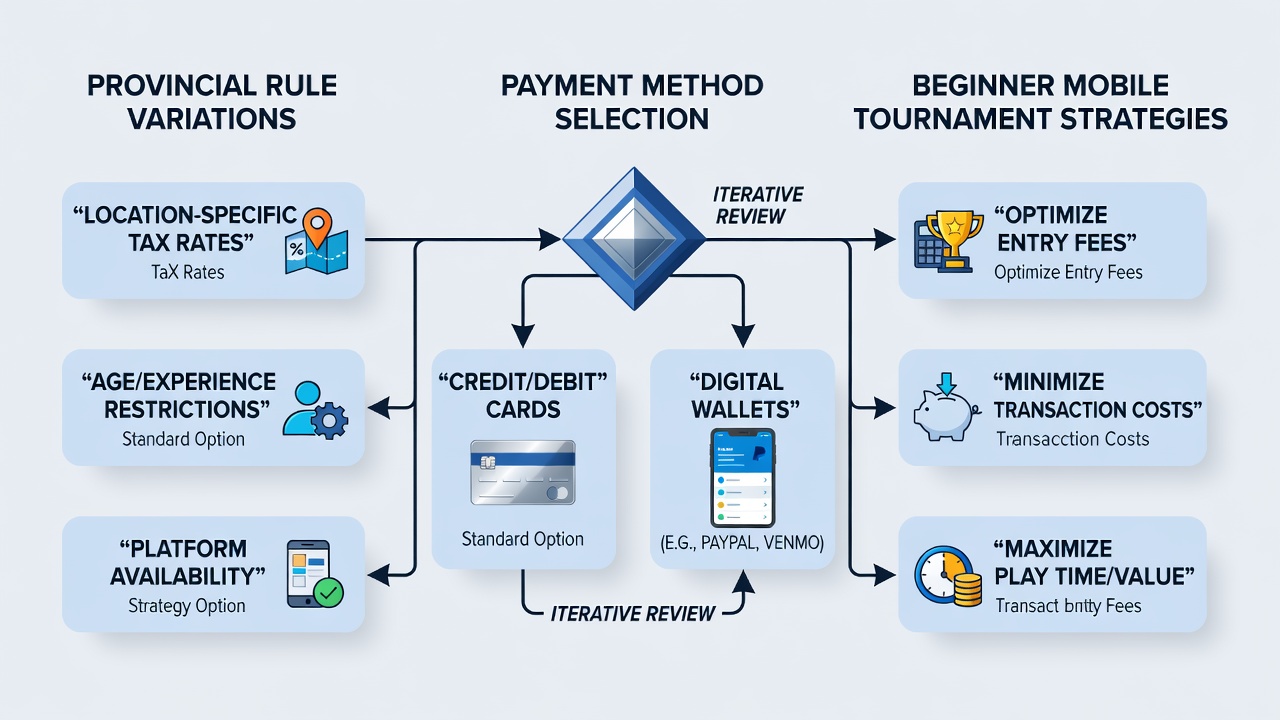
One case documented by platform operators involved a new player in Saskatchewan who initially selected an international e-wallet only to discover it was unsupported under local rules, prompting a switch to a provincially licensed processor that handled the transaction without additional verification delays. Similar adjustments appear regularly in support logs, according to industry summaries, and they underscore why beginners benefit from reviewing terms tied to their specific location before funding an account.
Anticipated Changes in September 2026
Regulatory updates scheduled across multiple provinces for September 2026 are expected to standardize certain digital payment requirements while preserving regional distinctions in fee structures and verification thresholds. Documents from gaming commissions indicate that these revisions aim to align mobile transaction security protocols without eliminating the flexibility that currently allows provinces to experiment with different processor partnerships.
Observers tracking legislative calendars note that these forthcoming adjustments may expand support for newer instant banking solutions in provinces that currently lag behind leaders like Ontario. Yet the core principle remains that payment method selection stays tightly coupled to the licensing environment of each jurisdiction, which continues to guide how beginners build their entry strategies around available tools rather than universal options.
Conclusion
Provincial rule variations continue to direct payment method selection in beginner mobile tournament strategies because each region enforces distinct compliance layers that applications must respect. Those who study participation trends recognize that informed choices about processors lead to fewer interruptions and more consistent engagement across different tournament formats. As frameworks evolve, the emphasis on matching methods to local regulations stays central to effective planning for new participants.