Regional Payment Policies Driving Adaptations in Canadian Poker Application Development
Yves Baumann · Aug 23, 2026
Regional Payment Policies Driving Adaptations in Canadian Poker Application Development
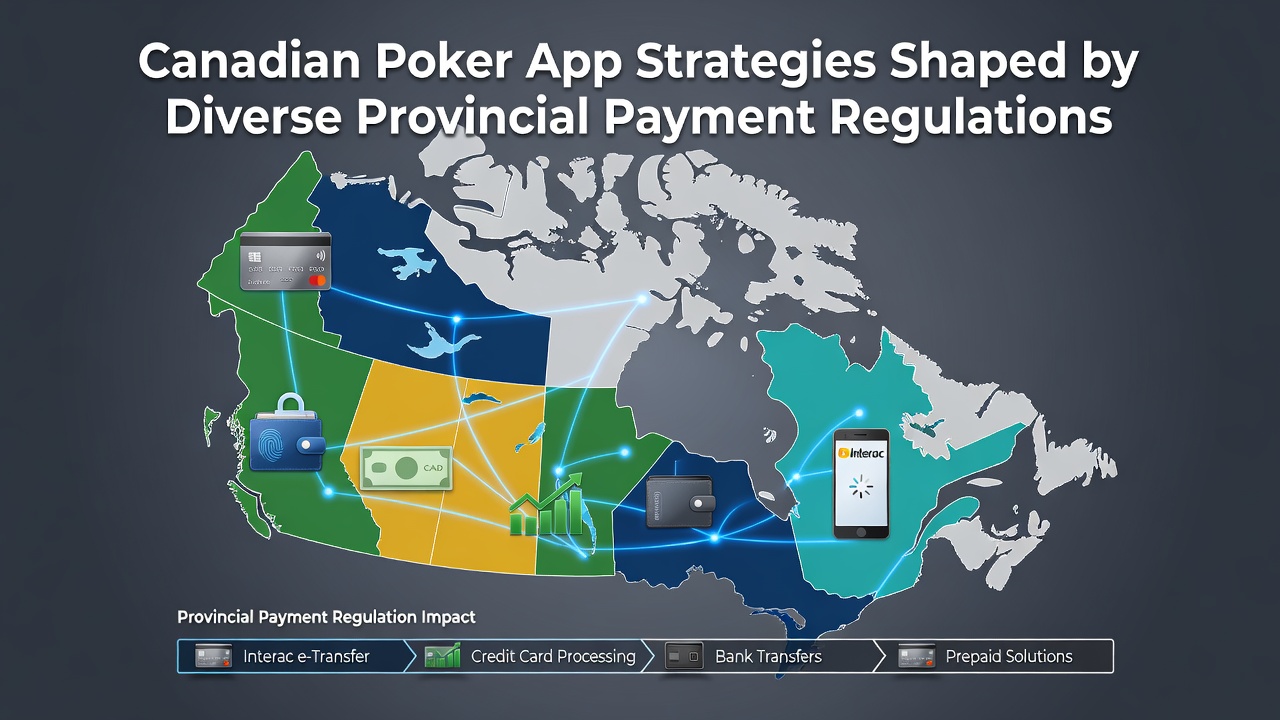
Payment regulations across Canadian provinces create distinct frameworks that poker application developers must navigate when designing transaction systems, and these differences lead to varied technical and operational approaches in each region. Ontario maintains a regulated online gaming market through its Alcohol and Gaming Commission while British Columbia relies on provincial lottery corporations for oversight, and Quebec applies its own licensing structures through Loto-Québec; each setup influences which payment processors receive approval and how funds move between players and platforms.
Developers respond by integrating province-specific gateways that handle local banking rules, currency conversions, and verification requirements, which means an app active in multiple jurisdictions often runs parallel payment modules rather than a single unified system. Data from industry reports shows that transaction success rates improve when platforms match their methods to provincial banking norms, and this alignment reduces declined payments that stem from mismatched card networks or e-wallet restrictions.
Ontario's Regulated Market and Processor Requirements
Ontario's framework requires licensed operators to use payment service providers that meet strict anti-money laundering standards set by the province, and this leads apps to prioritize processors already vetted by the Alcohol and Gaming Commission of Ontario. Research indicates that credit card transactions processed through approved channels in Ontario show lower failure rates compared with unvetted international options, while bank transfers gain preference among users who seek higher deposit limits without daily caps. Apps therefore embed conditional routing logic that detects a user's location and switches to the compliant processor automatically, which streamlines onboarding while staying within regulatory boundaries.
Quebec and British Columbia Approaches to Funding Methods
Quebec emphasizes integration with established financial institutions that already operate under provincial oversight, and applications targeting that market frequently partner with local credit unions or regional banks to facilitate direct transfers. British Columbia's structure channels many transactions through PlayNow, the provincial platform, which shapes how third-party apps design withdrawal timelines and verification steps to align with lottery corporation policies. Observers note that these variations push developers to maintain separate compliance teams for each province rather than applying a nationwide template, and the resulting architecture allows quicker updates when individual regulators adjust their lists of permitted methods.
Adaptations in Payment Infrastructure Across Jurisdictions
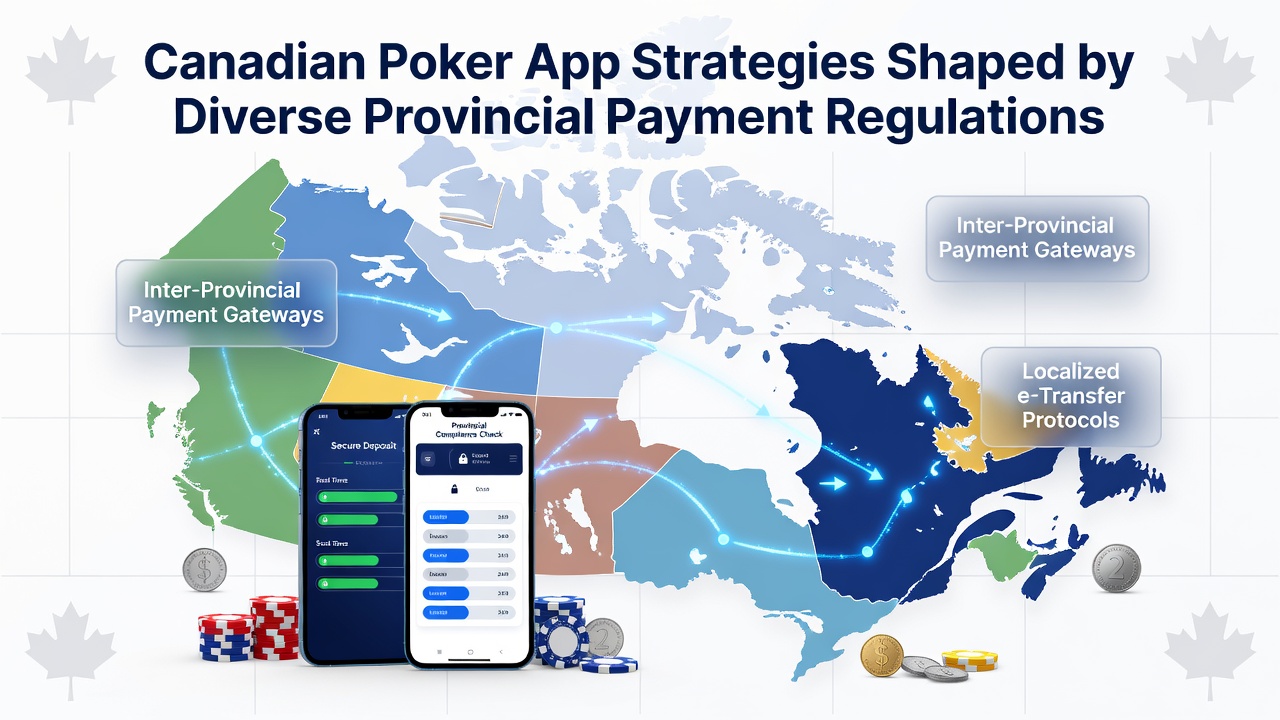
Applications often incorporate geo-location services that determine the active province at login and then present only the payment options cleared for that area, and this practice reduces regulatory risk while improving user experience. Alberta and Saskatchewan maintain lighter frameworks that permit a broader range of e-wallets, so apps expand their supported methods in those provinces to include services that remain restricted elsewhere. Figures from Statistics Canada reveal steady growth in digital payment adoption for gaming activities, and developers cite these trends when deciding which new processors to onboard during annual platform updates.
Additional technical layers appear in apps that serve Atlantic provinces, where smaller populations lead developers to combine payment handling with shared backend services rather than building fully independent systems for each small market. This consolidation keeps maintenance costs manageable while still meeting each province's distinct reporting obligations on transaction volumes and player verification.
Emerging Patterns Observed in August 2026
By August 2026, several platforms had rolled out modular payment engines that allow rapid reconfiguration when a province updates its approved methods list, and early adoption data shows reduced downtime during such transitions. Researchers tracking these changes point to improved interoperability between apps and regional banks, particularly where standardized APIs have replaced custom integrations. A study referenced by the National Center for Responsible Gaming highlights how these modular designs also support clearer audit trails, which helps operators demonstrate compliance during periodic reviews.
Conclusion
Provincial differences in payment regulations continue to shape the technical architecture and operational choices behind Canadian poker applications, and the resulting strategies reflect each jurisdiction's unique banking and licensing environment. Developers maintain flexible systems that detect location, apply the correct processor, and adjust limits accordingly, while ongoing regulatory updates require sustained attention to maintain seamless functionality across regions. These adaptations ensure that transaction flows remain aligned with local rules even as markets evolve.